


Last Isle: Survival
chuang games
Last Isle: Survival caught my attention because it presents role-playing survival as a cycle of urgent decisions rather than a slow march through familiar fantasy quests. I spent time looking at how its flood setting affects the way the game feels from one session to the next, and my first impression was clear: the danger is easy to understand, but the long-term appeal depends on whether you enjoy rebuilding, taking risks, and leaving a run with something useful.
Developed by chuang games, this free game places survival at the center of its identity. Its short store description is simply “Last Isle,” while the longer summary points toward surviving a flood, building, raiding, and extracting. Those verbs tell you more about the experience than a long character list would. You are not just collecting heroes or following a linear story; you are trying to make sensible choices while the environment and other threats keep pressure on your progress.
The game is listed in the role-playing category, but I would not approach it expecting the same rhythm as a traditional party-based RPG. The appeal is closer to making a plan, protecting what matters, and deciding when a risky opportunity is worth taking. That makes it a potentially good fit for players who like survival tension with role-playing flavor, but less suitable for anyone looking for a relaxed adventure that can be played without setbacks.
Why the first week feels so engaging
The first sessions work because the basic loop is immediately readable. A flood creates a strong reason to move, build, and search for better options. Raiding adds temptation, while extraction gives every successful outing a sense of finality. I found that combination more involving than a standard “complete the next quest” structure, because success is not only about defeating an enemy. It is also about knowing when to stop before a promising run turns into a costly mistake.
That tension gives the opening period a useful learning curve. At first, I naturally wanted to push farther and gather more. After a few setbacks, the better question became whether the extra reward justified the exposure. This is one of the more interesting aspects of the design: the game encourages ambition, but it also makes caution feel intelligent rather than passive.
Related News






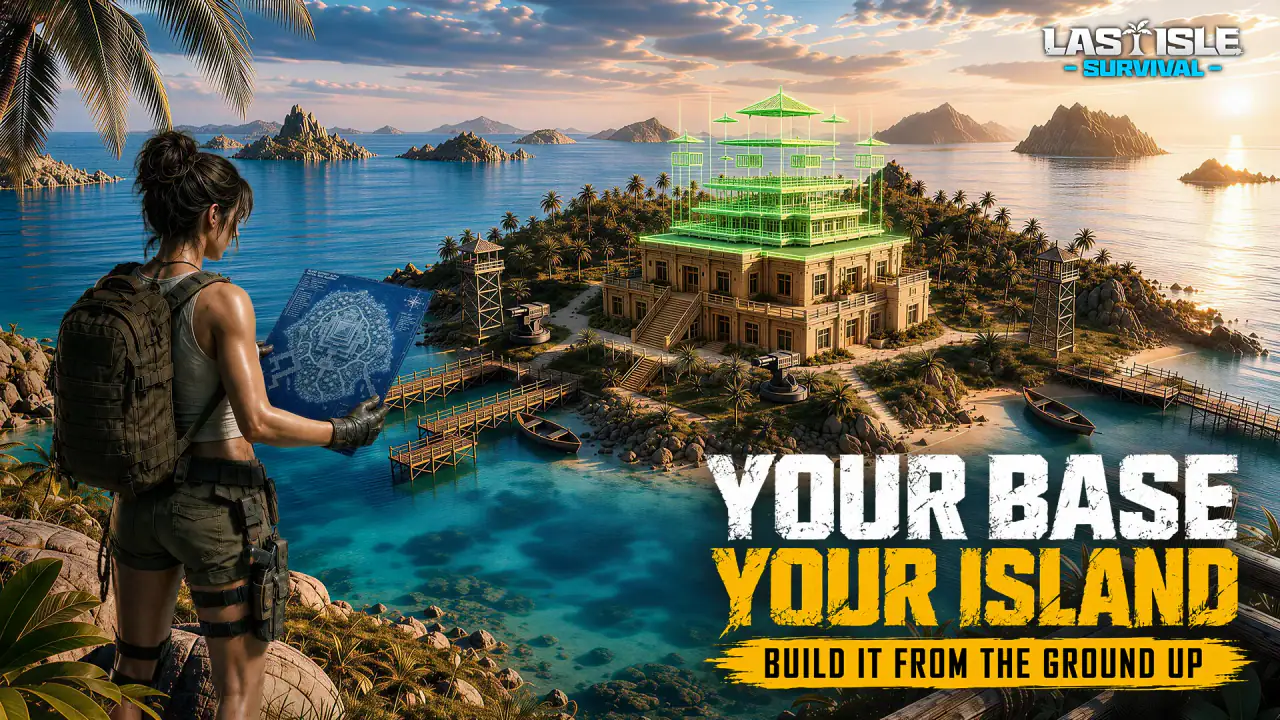
Building is important for the same reason. A base or shelter is not merely decoration in a flood-threatened setting; it represents preparation between dangerous outings. Even when the individual construction steps feel familiar, the surrounding context gives them more weight. I was not simply improving a menu of structures. I was trying to make future attempts more reliable, which creates a stronger connection between short sessions and longer progress.
The most useful early habit is to treat every expedition as a decision about what to bring home, not a test of how far you can travel. That mindset helps prevent the common survival-game mistake of overextending just because the next reward is visible. It also makes failed runs easier to understand: instead of blaming random difficulty, I could usually identify whether I had taken too much risk or prepared poorly.
What makes the setting matter
The flood theme is more than a visual hook because it naturally supports changing priorities. Resources, safe movement, construction, and escape all feel connected to a world that is unstable. This gives the game a different mood from a conventional role-playing map filled with permanent roads and predictable towns. I enjoyed that sense of temporary security, especially when a successful return felt like a meaningful accomplishment rather than an automatic checkpoint.
Gallery
Still, the novelty of the setting does much of the work during the first week. The opening hours benefit from curiosity: I wanted to see how the next area, raid, or building decision would change my routine. Players who enjoy learning a system through experimentation will probably get more from this stage than players who need a detailed narrative to maintain interest.
The game is free to download, which lowers the barrier to trying it. It carries an Everyone 10+ content rating, so it is aimed at a broad audience while still signaling that its survival and conflict themes are not designed specifically for very young children. I would still recommend that families look at the in-app purchase structure before handing it to a child, since optional items range from $0.49 to $99.99 each.
Who will enjoy the opening
I think the first-week experience suits players who like short bursts of planning, especially those who enjoy the emotional swing between a successful extraction and a run that ends too early. It can also work for someone who wants a role-playing game with more practical decisions than dialogue-heavy storytelling.
It is less convincing for players who prefer a clear campaign, constant character progression, or combat that rewards reflexes above preparation. The flood-and-extraction structure asks you to accept that not every session will end with a satisfying victory. If losing progress feels frustrating rather than motivating, the central loop may become tiring quickly.
Whether the loop survives from month to month
The real test for a game like this is not whether it can fill an evening. It is whether the cycle of building, raiding, and extracting remains meaningful once the first discoveries are gone. In my view, Last Isle: Survival has a reasonable chance of staying interesting for players who enjoy optimization. Each outing can become a small experiment: change the route, adjust the amount of risk, prioritize a different improvement, or return earlier with a safer haul.
That kind of recurring value is quieter than a constant stream of new story scenes. It comes from improving your judgment. A player who enjoys comparing approaches may continue finding satisfaction after the initial surprise fades, because the game turns survival into a personal routine that can be refined.
There is also a useful difference between progression that simply makes numbers larger and progression that changes how you behave. The latter is what I look for in a long-term survival game. When a new improvement allows you to prepare more confidently, protect a valuable run, or pursue a previously unattractive opportunity, it has practical meaning. When progress only encourages another round of collecting without changing your choices, the experience risks becoming maintenance for its own sake.
My month-to-month judgment would therefore depend heavily on personal play style. If I were returning regularly, I would want each session to have a specific purpose: strengthen preparation, test a safer extraction plan, or take a calculated raid. Playing without a goal would make the loop feel repetitive much sooner.
A realistic everyday session
Imagine having a short break after work. You do not have enough time for a long story chapter, but you can make one focused attempt. I would begin by checking what the current objective requires, deciding which supplies are worth carrying, and choosing whether the aim is exploration or a safer return. During the run, I would resist chasing every possible reward. If the important item is secured, extracting early may be the better result.
That makes the game suitable for players who like compact sessions with a clear beginning and end, provided they are comfortable with the possibility that a short session can still end badly. It is not an ideal choice when you need guaranteed progress in a fixed amount of time. A traditional casual RPG may be kinder in that situation, since it usually lets you complete a small task and keep the reward without the same extraction pressure.
How it compares with familiar role-playing alternatives
Compared with a conventional free-to-play role-playing game, this title places more emphasis on risk management and less on simply following a sequence of missions. A typical RPG may let you grind safely until your characters are strong enough to continue. Here, the interesting question is often whether strength alone solves the problem. Preparation, timing, and restraint can matter just as much.
Compared with a pure survival game, the role-playing framing makes progression feel more directed. You are not only managing hunger, shelter, or materials in isolation; you are also pursuing a broader sense of advancement through dangerous activities. That blend is the main reason I would recommend trying it instead of choosing a more familiar survival sandbox.
On the other hand, players who want deep character storytelling may find the survival framework too dominant. Likewise, someone who prefers a highly social competitive experience may want a game built explicitly around matchmaking or team coordination. Last Isle: Survival is most appealing when the player enjoys the private mental process of weighing exposure against reward.
How much maintenance the game asks from you
Long-term enjoyment is closely tied to how much attention the game demands between meaningful decisions. Survival games can become chores when every return requires a long checklist of repairs, collection, upgrades, and repeated low-value tasks. My concern with Last Isle: Survival is not that preparation exists; preparation is part of its appeal. The concern is whether preparation remains purposeful after the player has learned the basic routine.
I would approach the maintenance side with a simple rule: keep only the activities that improve the next decision. If a building upgrade changes what you can safely attempt, it deserves priority. If a resource trip exists only to repeat the same collection pattern without opening a new option, I would postpone it. This helps protect the game from becoming a daily obligation.
A second useful habit is to separate “progress sessions” from “risk sessions.” On one visit, focus on gathering or strengthening your position. On another, use that preparation for a more ambitious raid or extraction. Mixing both goals every time can make a failure feel especially wasteful, because you may lose the outcome of several different plans at once.
The game’s current version is 1.0.5, and its presence on devices using Android 8.0 or later makes it accessible to many players with older phones. That is helpful for anyone who wants a survival RPG without immediately needing a recent flagship device. Even so, the practical experience will depend on how comfortably your particular phone handles the game, especially during longer sessions. I would keep an eye on battery use and heat during the first few days rather than assuming every device will behave identically.
Where spending can affect the routine
Because the game is free and offers in-app purchases, the most important maintenance decision may be personal rather than mechanical: decide early whether you are willing to spend. The listed purchase range begins at $0.49 and reaches $99.99 per item, which is a wide enough spread that different players can have very different experiences with optional spending.
I would recommend playing long enough to understand the normal rhythm before buying anything. That gives you a better sense of whether a purchase removes an irritating bottleneck or simply accelerates progress that you were already enjoying. For a game built around risk, acceleration can also change the emotional balance: if losses become easier to absorb because progress was bought, the survival tension may feel less meaningful.
Players who want a completely predictable cost should be cautious. A paid, self-contained RPG may be a better fit if you would rather purchase the game once and avoid ongoing decisions about optional items. Last Isle: Survival is more suitable for someone who accepts the free-to-start model and is comfortable setting a firm personal spending limit.
What may cause fatigue after the novelty fades
The first source of fatigue is repetition without a new decision. Building, raiding, and extracting are compelling when each activity asks something different of you. They become routine when the answer is always to repeat the safest profitable pattern. This is the point where the game’s long-term value will vary most between players. Optimizers may enjoy perfecting that pattern, while explorers may feel they have seen enough.
The second source is the emotional cost of failed runs. A setback can be satisfying when it teaches a clear lesson, but exhausting when it feels like time lost to a mistake that could not reasonably be anticipated. I prefer games that make losses legible. With this title, I would pay attention to whether I can explain each failure in practical terms. If I can, the tension remains productive. If I cannot, frustration will probably replace curiosity.
Raiding can also create a particular kind of fatigue: the pressure to act even when caution would be wiser. That is an effective source of drama, but it can make relaxed play difficult. I would not choose this game for a quiet, low-stakes session unless I were willing to ignore the urge to maximize every outing.
Another concern is the gap between a strong opening concept and durable variety. The flooded-island premise gives the game a memorable identity, yet a setting alone cannot carry months of play. Long-term retention needs meaningful changes in goals, routes, preparation, or risk. I would keep playing if my decisions continued to evolve; I would move on if the same expedition simply became a longer version of the first one.
Small choices that improve the experience
Before leaving, choose one primary objective and treat everything else as optional. This prevents a promising run from becoming overloaded with competing priorities.
Use safe outings to prepare for a specific ambitious attempt, rather than gathering endlessly. Preparation feels more rewarding when it has a clear destination.
After a failed extraction, change one variable at a time. Altering equipment, route, and risk level together makes it difficult to learn what actually helped.
Set a spending boundary before optional purchases become part of your routine. The broad purchase range makes this more useful than deciding impulsively after a frustrating loss.
These are not shortcuts that remove the game’s difficulty. They are ways to preserve the part I find most valuable: making a decision, accepting its consequences, and using the result to shape the next attempt.
My long-term verdict on Last Isle: Survival
After the initial excitement, I see Last Isle: Survival as a focused role-playing survival game rather than an all-purpose mobile RPG. Its strongest idea is the relationship between danger and extraction. Building gives you a reason to prepare, raiding gives you a reason to take risks, and the flood setting gives the whole process a memorable sense of instability.
The game has earned a 4.3 average from around 2.7 thousand ratings, and it has passed 100 thousand installs, which suggests that its central concept has found an audience. I would not treat those figures as a guarantee that it will suit everyone, but they fit my impression of a game with a clear hook and a specific target player. Its current version, 1.0.5, is a sensible point at which to try it if your device runs Android 8.0 or later.
My recommendation is strongest for players who enjoy planning under pressure and do not need every session to end in guaranteed progress. I would especially suggest it to someone who has grown tired of role-playing games where the safest strategy is simply to grind until the next obstacle disappears. Here, restraint and timing can be as satisfying as power.
I would skip it if I wanted a story-led adventure, a purely relaxing daily game, or a fixed-price experience without optional purchases. I would also be cautious if repeated setbacks tend to make me quit rather than rethink my approach. The game’s recurring value depends on finding lessons in failure and creating personal goals between expeditions.
In the end, I think it can earn lasting space on a phone, but not automatically. Its staying power comes from the quality of your decisions, not from the flood theme alone. If you enjoy turning each run into a small strategy problem, the routine can remain rewarding after the first-week novelty fades. If you need constant new content or effortless progress, a more conventional role-playing alternative will probably serve you better.
For me, that makes it worth trying as a free game, with a clear spending boundary and a willingness to play deliberately. Give it a fair first week, then ask whether your sessions still contain meaningful choices. If the answer is yes, Last Isle: Survival has the foundation of a durable survival RPG. If every outing has become a checklist, it is time to move on rather than treating the game as another obligation.
FAQs for Last Isle: Survival
What is Last Isle: Survival about?
Last Isle: Survival is a survival adventure game set on a dangerous island where you must gather resources, craft tools, build shelter, and protect yourself from hostile creatures and other threats. The game focuses on exploration, resource management, combat, and gradual progression. You begin with limited equipment, so learning how to collect materials and choose safe locations is essential for surviving longer.
Can Last Isle: Survival be played offline?
The availability of offline play may depend on the specific version and features offered by the developer. While some survival activities can potentially be enjoyed without a constant connection, online functions, account services, advertisements, updates, or multiplayer-related content may require internet access. Before downloading, check the current store description and permissions, especially if you plan to play while traveling or without reliable mobile data.
Is Last Isle: Survival free to download and play?
Last Isle: Survival can generally be downloaded without an upfront purchase, but free access does not necessarily mean that every feature is completely free. Games in this genre may include optional in-app purchases, rewarded advertisements, premium resources, or progression shortcuts. You can usually advance through regular gameplay, although spending money may reduce waiting times or make certain upgrades easier to obtain.
Is Last Isle: Survival suitable for beginners?
The game is accessible to players who are new to survival titles, but its opening stages can still feel demanding because resources are limited and dangers appear quickly. Beginners should prioritize collecting basic materials, crafting essential tools, establishing a secure base, and avoiding unnecessary fights. The interface and progression systems become easier to understand after a short period of experimentation and exploration.
What devices are required to run Last Isle: Survival smoothly?
The exact requirements vary according to the Android or iOS version, game updates, and device model. Because Last Isle: Survival includes exploration, animated environments, combat, and resource-heavy scenes, newer phones and tablets with sufficient storage and memory should provide a more consistent experience. Before installing, review the current app-store requirements and keep extra free storage available for updates and downloaded game data.
Pros
- Open-world exploration offers plenty of places to discover and resources to collect.
- Base building lets you customize defenses
- storage
- crafting
- and living areas.
- A wide range of crafting recipes supports different survival strategies.
- Regular challenges and objectives provide useful direction during progression.
- The post-apocalyptic setting creates a strong atmosphere for survival fans.
Cons
- Resource gathering can become repetitive during longer play sessions.
- Some upgrades and crafting projects require substantial waiting or grinding.
- The interface may feel crowded on smaller phone screens.
- Progress can feel slow without spending extra time managing resources.
- Performance may vary on older devices
- especially in busy areas.


